
Dental Filling/ Teeth Fillings
Book A Consultation Now
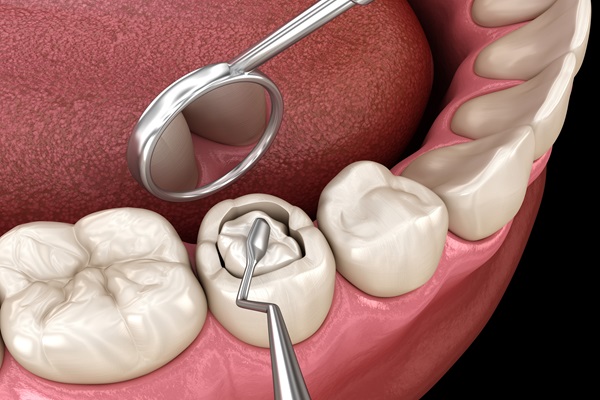
Dental Filling – Restore Your Tooth Strength | By Dr. Kopal Pathak
A dental filling is one of the simplest and most effective treatments to repair a decayed or damaged tooth. When cavities are treated on time, a filling helps protect the tooth, restore its shape, and prevent further infection.
At my clinic, I focus on providing safe, painless, and long-lasting dental fillings so that you can chew, smile, and speak comfortably again.
What Is a Dental Filling?
A dental filling is a treatment used to repair a tooth damaged by decay (cavity), minor fracture, or wear. After removing the decay, the cleaned area of the tooth is filled with a suitable dental filling material to restore function and strength.
Dental Filling Procedure – Step by Step
Many patients want to know what exactly happens during a dental filling. Here’s a simple breakdown:
- Examination & X-ray (if needed): I check the extent of decay and plan the treatment.
- Removing the decay: All infected or damaged tooth material is cleaned.
- Shaping the cavity: The area is prepared to hold the filling securely.
- Placing the dental filling material: Composite (tooth-colored) material is layered and hardened.
- Final shaping & polishing: The tooth is restored to its natural shape and bite.
The entire process usually takes 20–30 minutes for a single tooth.
Types of Dental Filling Materials
Different teeth need different types of fillings. Common options include:
1. Composite Resin (Tooth-Colored)
– Matches natural tooth color
– Strong and aesthetic
– Preferred for front teeth & visible areas
2. Glass Ionomer Cement (GIC)
– Releases fluoride
– Protects against further decay
– Good for small cavities, kids, and root surfaces
3. Amalgam (Silver Filling)
(Used less often today)
– Very strong
– Long-lasting
During consultation, I help you choose the best dental filling material based on cavity size, location, and budget.
Temporary Dental Filling
Sometimes a temporary dental filling is needed when:
- The tooth has deep decay
- A root canal may be required
- There’s sensitivity or pain
- A permanent filling cannot be done immediately
Temporary fillings are short-term and need to be replaced with permanent ones within a few days or weeks.
Does a Dental Filling Hurt?
Most dental fillings are painless because anesthesia is used.
After the procedure, some patients feel:
- Mild sensitivity
- Slight bite discomfort
- Temperature sensitivity
This is normal and usually settles within 1–3 days.
If pain persists, I reassess the tooth to ensure everything is healthy.
Cavity Dental Filling – Why It’s Important
Leaving a cavity untreated can cause:
- Toothache
- Infection
- Larger decay
- Need for root canal or extraction
A cavity dental filling stops decay from spreading and helps preserve your natural tooth for the long term.
Precautions After Dental Filling
To keep your filling safe and comfortable, follow these simple instructions:
- Do not chew hard or sticky foods for 24 hours
- Avoid very hot or cold foods if sensitivity exists
- Brush gently around the filled area
- If bite feels uneven, inform me for adjustment
- Continue regular brushing and flossing
Good oral hygiene will help your filling last longer.
How Long Does a Dental Filling Last?
You may need a filling if you notice:
- Tooth sensitivity
- Black/brown spots
- Hole in the tooth
- Food getting stuck
- Pain while chewing
- Broken or chipped tooth
Early treatment saves your natural tooth.
Book Your Appointment
A small cavity today can become a big problem tomorrow.
If you think you need a dental filling, I am here to help you with a comfortable and precise treatment.
Frequently Asked Questions
A dental filling procedure is used to treat a cavity by removing the decayed part of the tooth and filling the space with a safe material to restore its shape, strength, and function.
No. The procedure is usually painless because the dentist numbs the area before starting. Patients may feel mild pressure, but not pain.
Most dental fillings take 20–30 minutes, depending on the size and location of the cavity.
For 1–2 hours, avoid chewing on the filled side until the numbness wears off. It’s also best to avoid very hard or sticky foods for the first day.
A good-quality filling can last 5–10 years or even longer with proper oral care, regular brushing, and timely dental check-ups.
Book A Consultation Now
Clinic Address
Ganpati House, 22/33, Madan Mohan Malviya Marg, Parehta, Gokhale Vihar, Butler Colony, Lucknow, Uttar Pradesh 226001